Experts Advancing Global Health

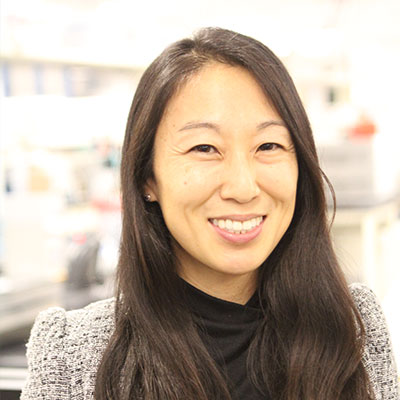
Elaine A. Yu, Ph.D., MPH
Assistant Investigator
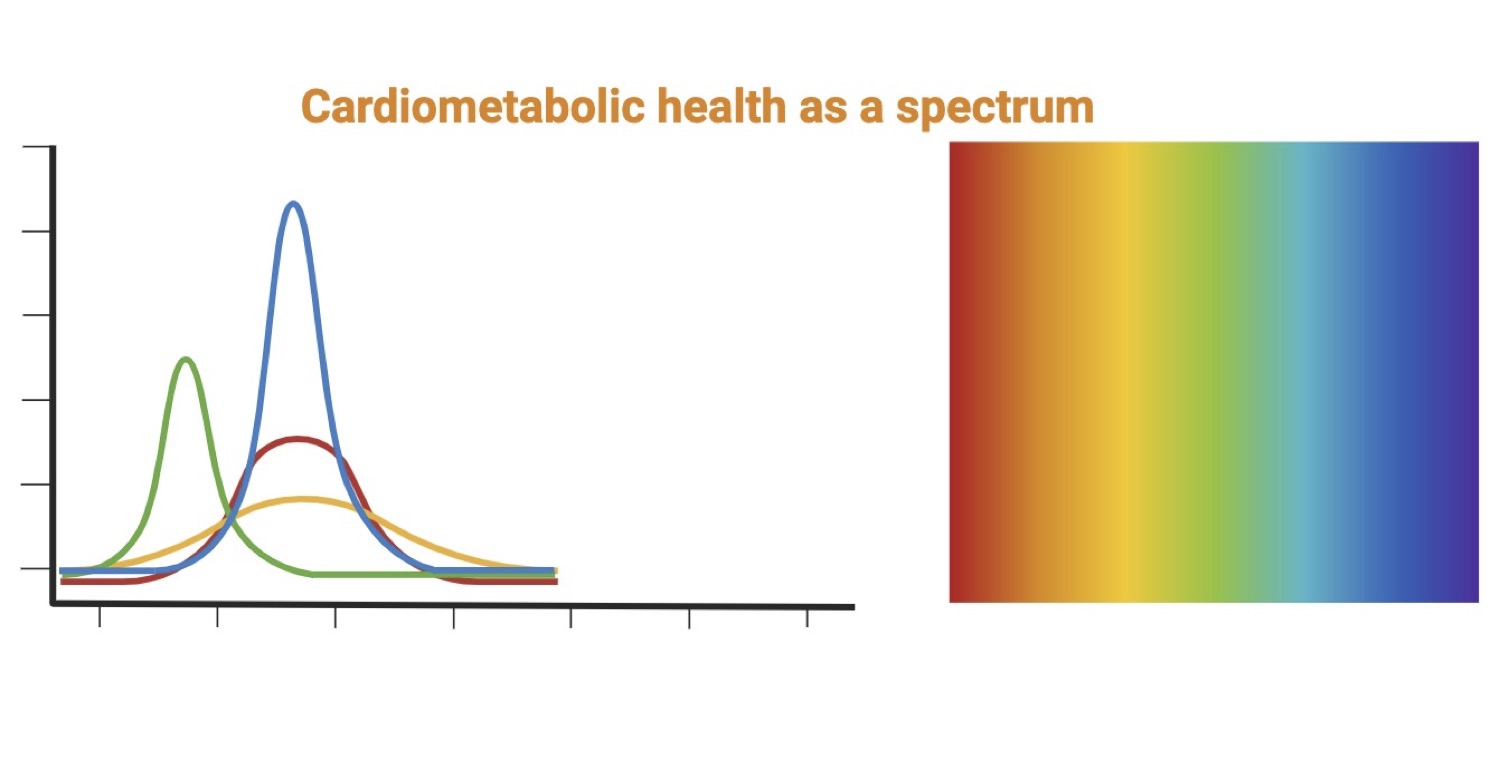
Elaine A. Yu, M.P.H., Ph.D., is an Assistant Investigator at Vitalant Research Institute (VRI) and an Adjunct Assistant Professor in the Department of Laboratory Medicine at the University of California, San Francisco. Her research program focuses on evaluating endotypes and subphenotypes across the spectrum of metabolic health and disease. The broad goals are to identify subclinical indicators of early pathophysiology and key patient subgroups, which could inform tailored prevention and clinical management strategies. Key questions are centered around three themes: 1) metabolic health and homeostasis; 2) novel biomarkers of type 2 diabetes and other metabolic diseases; and 3) diverse clinical manifestations of nutrition-related diseases, including infectious disease comorbidities. Her team uses an epidemiologic approach centered around blood biomarkers, including metabolomic data, in precision health studies. Study populations of interest include people considered higher risk, particularly those residing in resource-limited environments, with multiple morbidities, or medical conditions requiring blood transfusions, and blood donors. Her previous research has included study participants residing in Guatemala, Bangladesh, India, and China. Dr. Yu received an award for early career contributions to the alleviation of micronutrient malnutrition from the International Life Sciences Institute in 2016.
Education & Training
Ph.D., Nutritional Science, Cornell University
MPH, Global Epidemiology, Emory University
B.A., Molecular and Cellular Biology, University of California, Berkeley
Current Positions
Assistant Investigator, Vitalant Research Institute
Adjunct Assistant Professor, Department of Laboratory Medicine, University of California, San Francisco