
Metabolic health and homeostasis
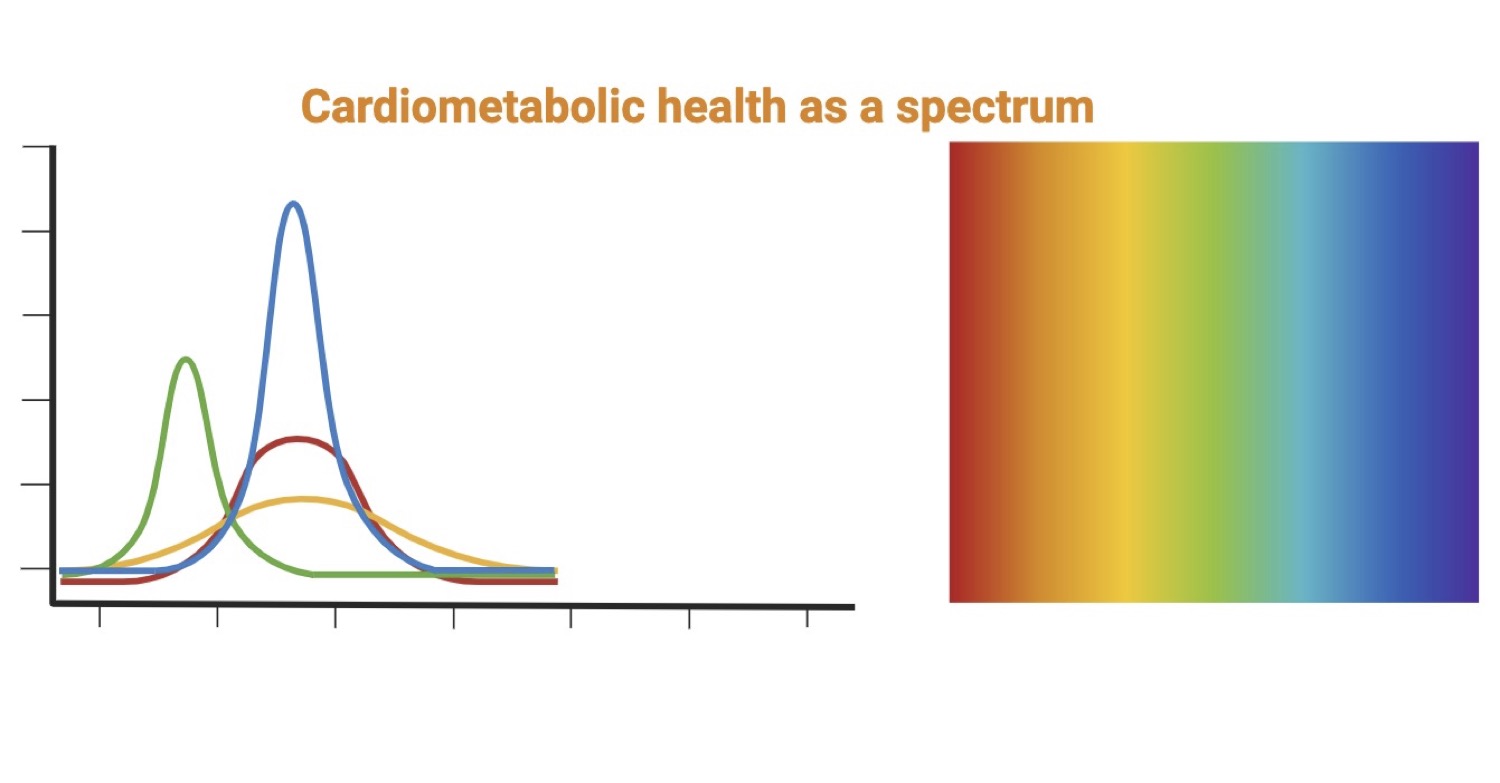
Metabolic health, including flexibility and homeostatic processes, remains incompletely understood. This key underlying research gap represents a major obstacle to reducing the growing global burden of disease from metabolic diseases and high body mass index. To what extent do novel dynamic indicators of metabolic processes, such as postprandial metabolic flexibility, improve the prediction of nutrition-related disease risk? What specific definitions of metabolic flexibility and homeostasis are relevant for maintaining metabolic health and preventing metabolic diseases? Figure created with www.BioRender.com.
Selected Publications:
- Yu EA, Yu T, Jones DP, Martorell R, Ramirez-Zea M, Stein AD. Macronutrient, Energy, and Bile Acid Metabolism Pathways Altered Following a Physiological Meal Challenge, Relative to Fasting, among Guatemalan Adults. J Nutr, 2020. 150(8): 2031-2040. DOI: 10.1093/jn/nxaa169
- Yu EA, Yu T, Jones DP, Ramirez-Zea M, Stein AD. Metabolomic profiling after meal shows greater changes and lower metabolic flexibility in cardiometabolic diseases. J Endocr Soc, 2020. 4(11):bvaa127. DOI: 10.1210/jendso/bvaa127
- Yu EA, Le NA, Stein AD. Measuring postprandial metabolic flexibility to assess metabolic health and disease. J Nutr, 2021. 151(11):3284-3291. DOI: 10.1093/jn/nxab263.
- Yu EA, He S, Jones DP, Sun YV, Ramirez-Zea M, Stein AD. Metabolomic profiling demonstrates postprandial changes in fatty acids and glycerophospholipids are associated with fasting inflammation in Guatemalan adults. J Nutr, 2021. 151(9): 2564-2573. DOI: 10.1093/jn/nxab183.