Experts Advancing Global Health

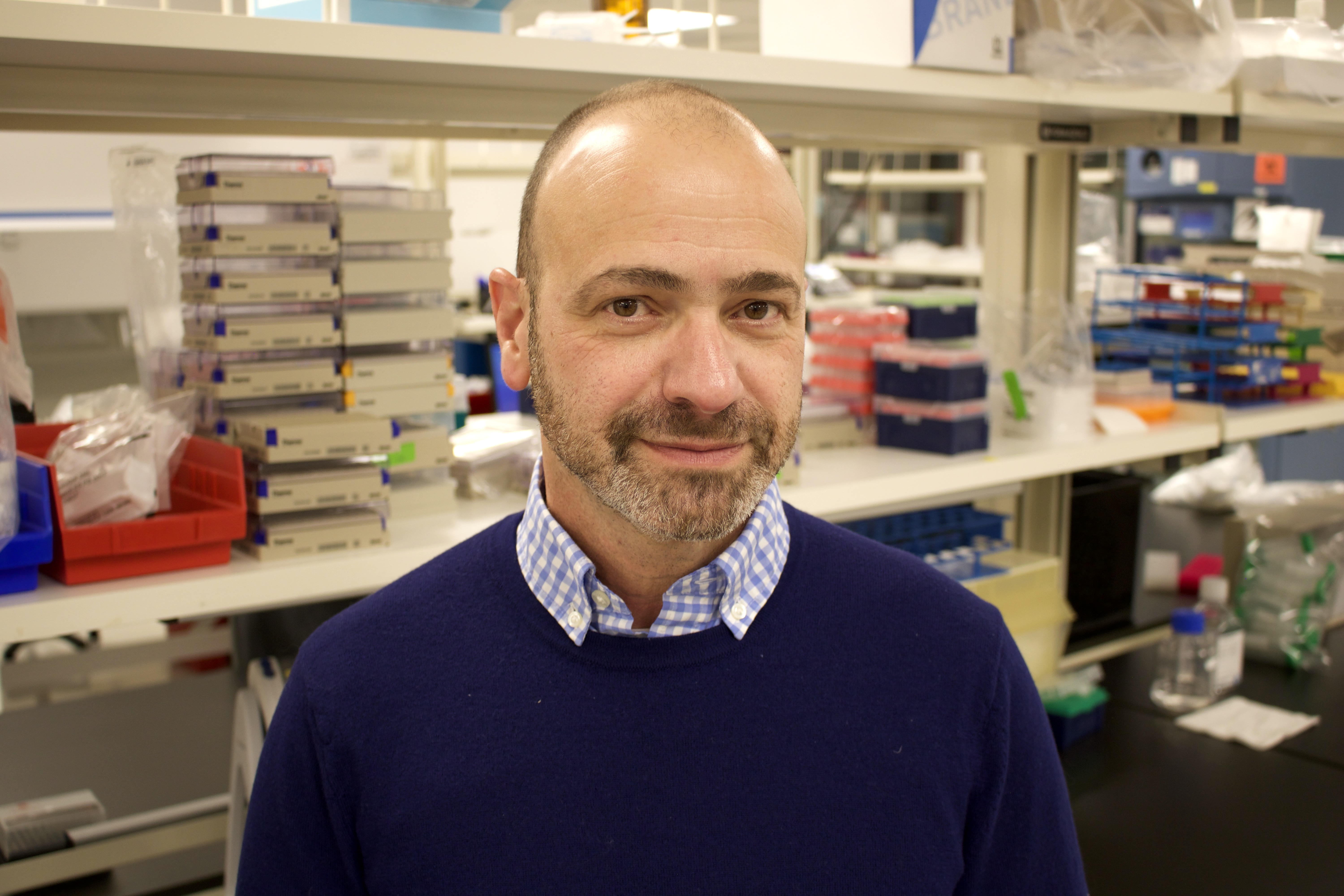
Tamir Kanias, Ph.D.
Associate Investigator
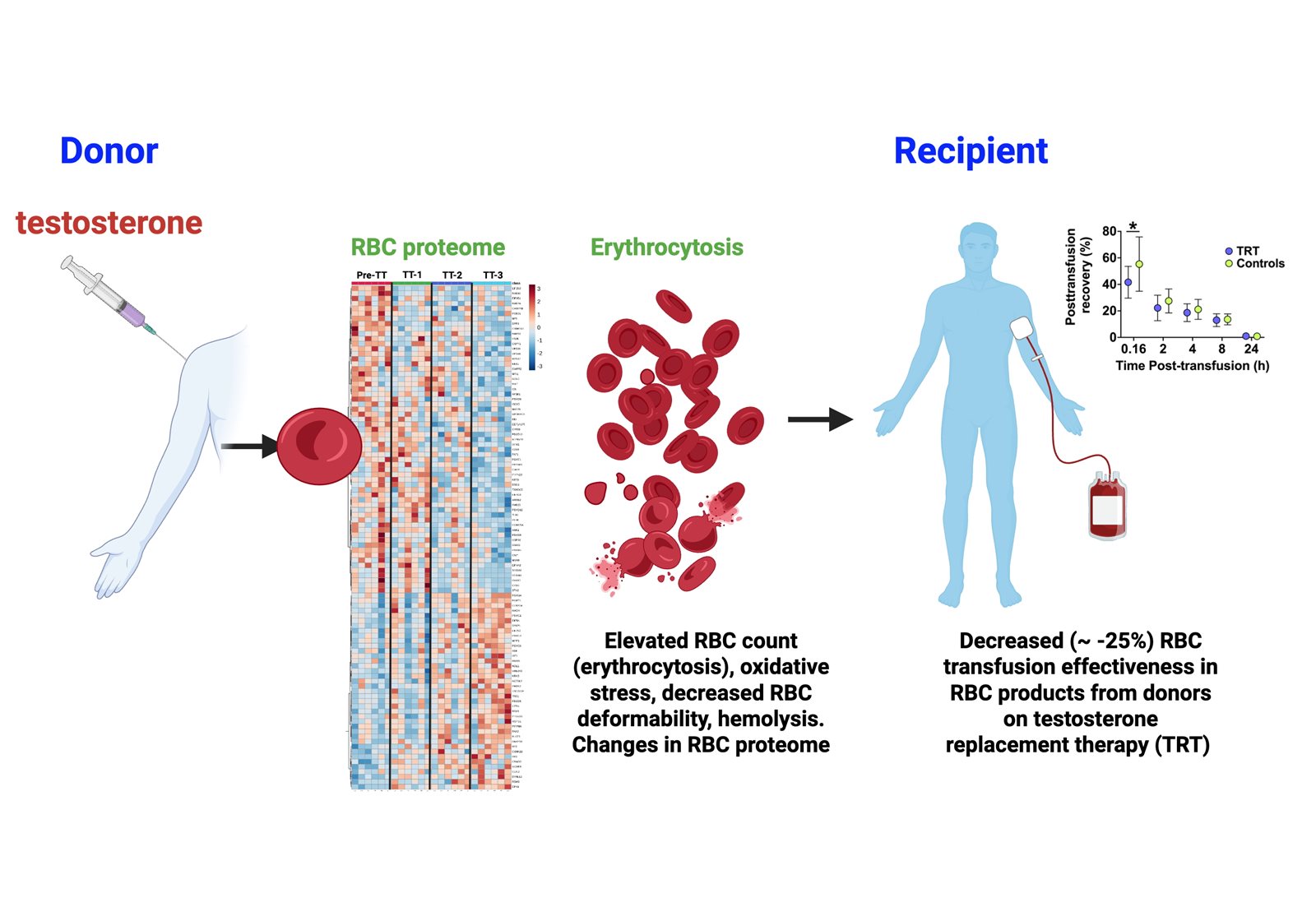
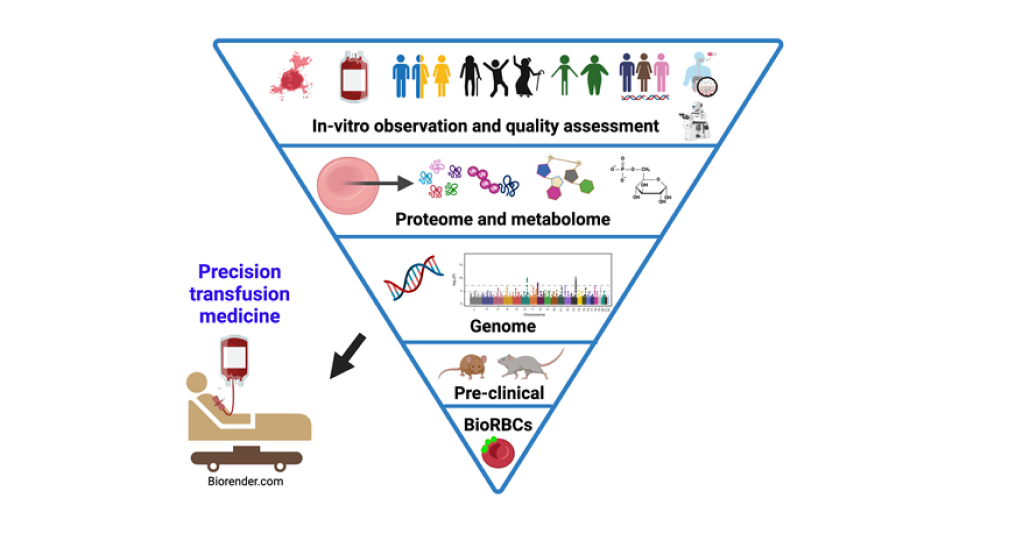
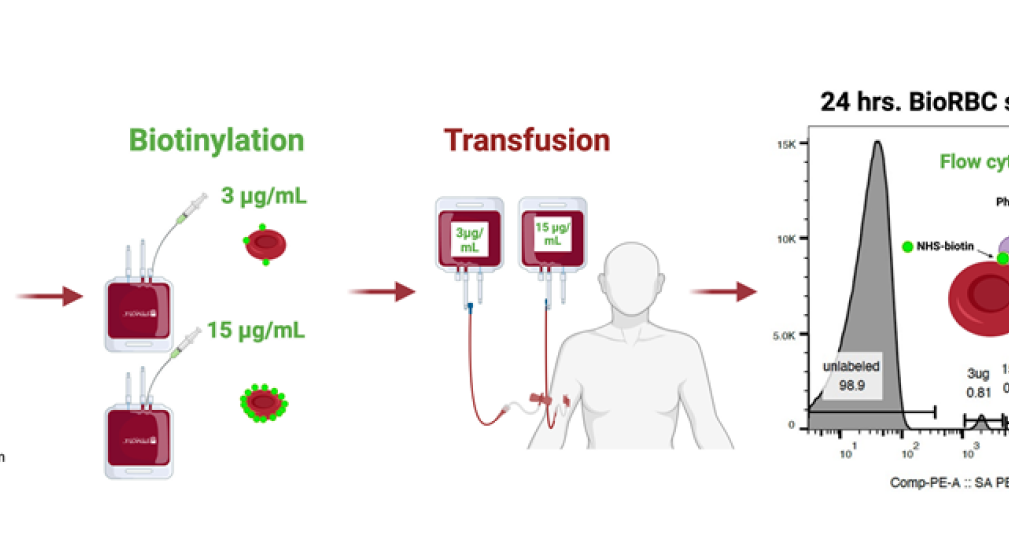
Tamir Kanias, Ph.D., is an Associate Investigator at Vitalant Research Institute (VRI) and Associate Clinical Professor in the Department of Pathology at the University of Colorado, Denver. He earned his Ph.D. in Laboratory Medicine and Pathology from the University of Alberta, Canada. Dr. Kanias specializes in red blood cell (RBC) biology and hemolysis in transfusion medicine. He serves as Principal Investigator and Co-Investigator on multiple national and international programs aimed at improving transfusion safety and efficacy, including NHLBI’s Recipient Epidemiology and Donor Evaluation Study (REDS) programs (REDS-III RBC-Omics and REDS-IV-P) and the Biomedical Excellence for Safer Transfusion (BEST) Collaborative. His research focuses on genetic and biological factors, such as age, sex, sex hormones, and body mass index, that influence RBC function in transfusion medicine and hemolytic disorders. A major emphasis is on donor sex and its impact on RBC survival during storage and post-transfusion, leading to the discovery of testosterone’s role in mediating sex differences in RBC biology and hemolysis. Additional interests include precision transfusion medicine through genomics and multi-omics approaches to identify genetic modifiers of hemolysis, innovative clinical studies using biotinylated RBCs (BioRBCs) to evaluate transfused RBC survival, and development of biodegradable, non-toxic blood bags.
Education & Training
B.S., Biological Sciences, Tel Aviv University, Tel Aviv Israel
M.S., Aquaculture, Hebrew University, Israel
Ph.D., Medical Sciences, University of Alberta, Edmonton, Canada
Postdoctoral Fellow, Vascular Medicine Institute, University of Pittsburgh, Pittsburgh, Pennsylvania
Current Positions
Associate Investigator, VRI; Associate Clinical Professor, Department of Pathology, University of Colorado Anschutz Medical Campus