Experts Advancing Global Health

Hero Image
Photo of Erika G. Marques de Menezes, Ph.D.

Erika G. Marques de Menezes, Ph.D.

Assistant Investigator

Dr. Marques de Menezes is an assistant investigator at Vitalant Research Institute (VRI), San Francisco, and an assistant professor in the Department of Laboratory Medicine at University of California, San Francisco (UCSF). She earned her Master’s and Ph.D. degrees in HIV pathogenesis from the Sao Paulo State University in Brazil and completed her post-doctoral work at VRI in extracellular vesicles (EVs) and HIV pathogenesis. 

In acknowledgment of Marques de Menezes’ vision and record of scientific innovation, she was the recipient of the 2023 Association for the Advancement of Blood and Biotherapies (AABB) Foundation Early Career Scientific Research Grant and also received the prestigious National Institutes of Health (NIH) Director’s Pioneer Catalyst Award (DP1) in 2024 for pursuing highly innovative and pioneering research on extracellular vesicles and HIV comorbidities.

Current Positions

Assistant Investigator, VRI 

Assistant Professor, UCSF Department of Laboratory Medicine
Links

Erika Marques de Menezes - LinkedIn 

Education & Training

B.S., Nutrition, Sao Paulo Central University Center 

M.S., Nutrition Sciences, Sao Paulo State University 

Ph.D., Nutrition Sciences, Sao Paulo State University 

Post Doctoral Research Fellow, Immunology, Extracellular Vesicles, HIV pathogenesis, VRI/UCSF

Publications

Publications in Google Scholar 

Research Interest

The Marques de Menezes lab is dedicated to developing innovative, integrated approaches in the emerging field of EVs to identify potential predictor biomarkers and elucidate new putative targets for pharmacologic therapies that may be broadly applicable for the treatment of inflammatory heart disease in HIV+ and non-HIV populations. A second interest of the laboratory is exploring novel approaches in transfusion medicine, with special emphasis on how EVs and their cargo within stored platelet products impact the immune system and vascular activity in transfusion recipients. Our long-term research goal is to develop engineered EVs to serve as novel therapeutic strategies to optimize health. 

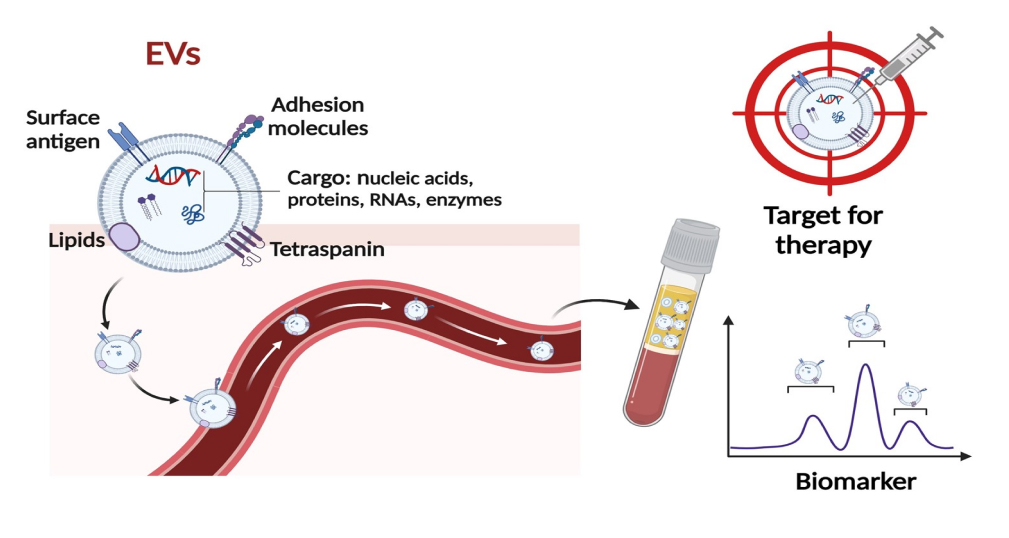
Extracellular Vesicles as Biomarkers and Therapeutic Targets

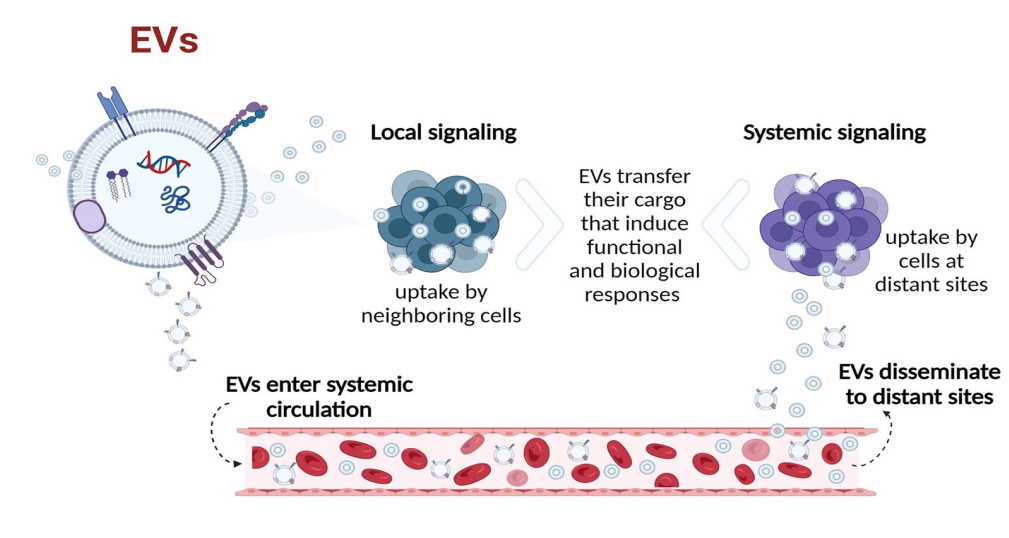
EVs play a significant role in regulating pathophysiologic pathways like inflammation, and angiogenesis, and are therefore implicated in key aspects of multiple conditions including heart disease. It is known that cell-to-cell communication by EVs has the potential to affect target cells in a “two-way” or “multi-way” fashion. However, investigating this secreted EV-mediated shift of cell communication from a “landline” to “cell phone” fashion would help us understand the drivers of CVD risk. We aim to create a new paradigm for discovering novel biomarkers and EV-based interactions that can be targeted to prevent immune activation, inflammation, and coagulopathy, which are important not just for HIV but for inflammatory heart disease in the general population.   
 

Blood as a Source of Therapeutic Extracellular Vesicles  

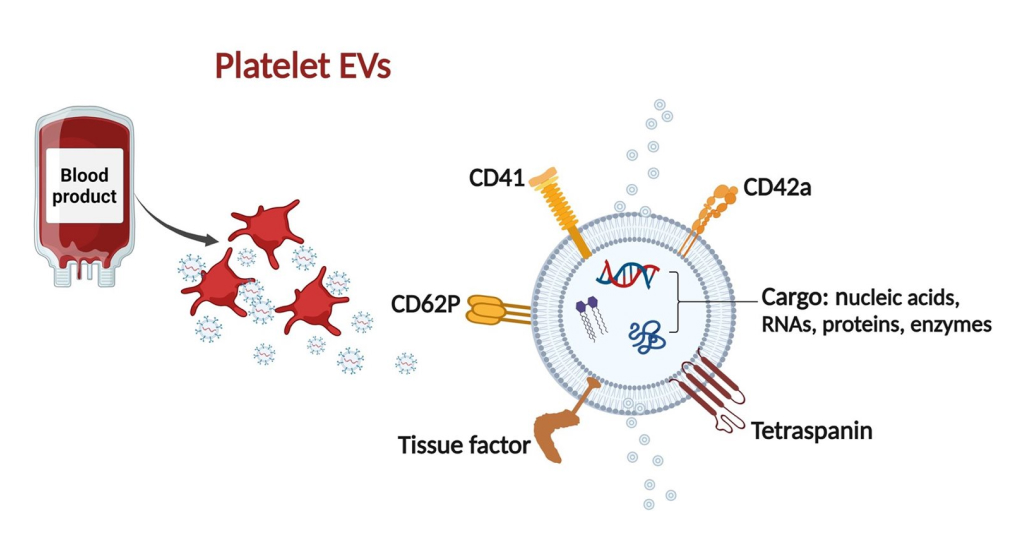
EVs are highly heterogeneous and comprise a diverse set of surface protein markers and an array of intra-vesicular cargo, such as miRNA, and play important roles in cell-to-cell communication. Transfused blood products, including platelet products, contain EVs that are capable of interacting with and inducing immune cell activation. Factors such as pre-donation parameters, manufacturing processes and storage conditions could influence EV release and composition, potentially leading to transfusion-related adverse events. Our studies will yield novel approaches to research in transfusion medicine and make unique contributions to better understanding the role of EVs as mediators of platelet storage-related immune activation and inflammation.