
Experts Advancing Global Health
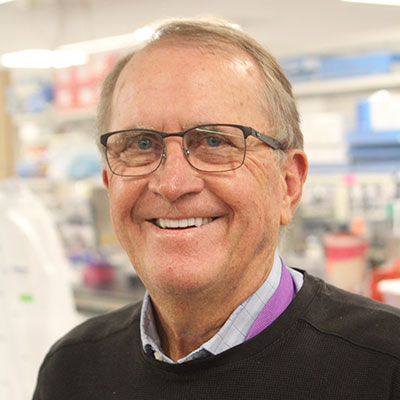
Michael P. Busch, M.D., Ph.D.
Director Emeritus
Dr. Michael Busch earned his M.D. and Ph.D. degrees at University of Southern California followed by residency training in pathology, laboratory medicine and transfusion medicine at University of California, San Francisco (UCSF). He is currently director emeritus of Vitalant Research Institute and vice president for research and scientific affairs at Vitalant, a national network of blood centers and donor testing laboratories. He is also a professor of laboratory medicine at UCSF.
Dr. Busch is the past president of the International Society of Blood Transfusion (ISBT), and, among other recognition/awards, he has received the highest-level awards for research contributions during his career from ISBT, the Association for the Advancement of Blood and Biotherapies (AABB) and America’s Blood Centers (ABC).
Education & Training
B.A., Pharmacology, University of California, Santa Barbara (UCSB), cum laude (1977)
M.S., Experimental Pathology, University of Southern California, (USC) Los Angeles (1982)
M.D., USC, magna cum laude (1982)
Ph.D., Experimental Pathology, USC (1985)
Internship/Residency, Anatomic Pathology, University of California, San Francisco (UCSF) (1982-1984)
Residency, Laboratory Medicine, UCSF (1984-1985)
Fellowship, Blood Banking and Transfusion Medicine, UCSF (1985-1986)
Current Positions
Director Emeritus, Vitalant Research Institute
Vice President for Research and Scientific Programs, Vitalant
Professor of Laboratory Medicine, UCSF
President, ISBT